
K-popPost
K-Pop Dance BPM: How Fast Is K-Pop Choreography?
K-pop dance tracks do not share one tempo. Here are real BPM examples, how to count them in eights and how to pick a practice speed.
4 min readWritten at Count Studio
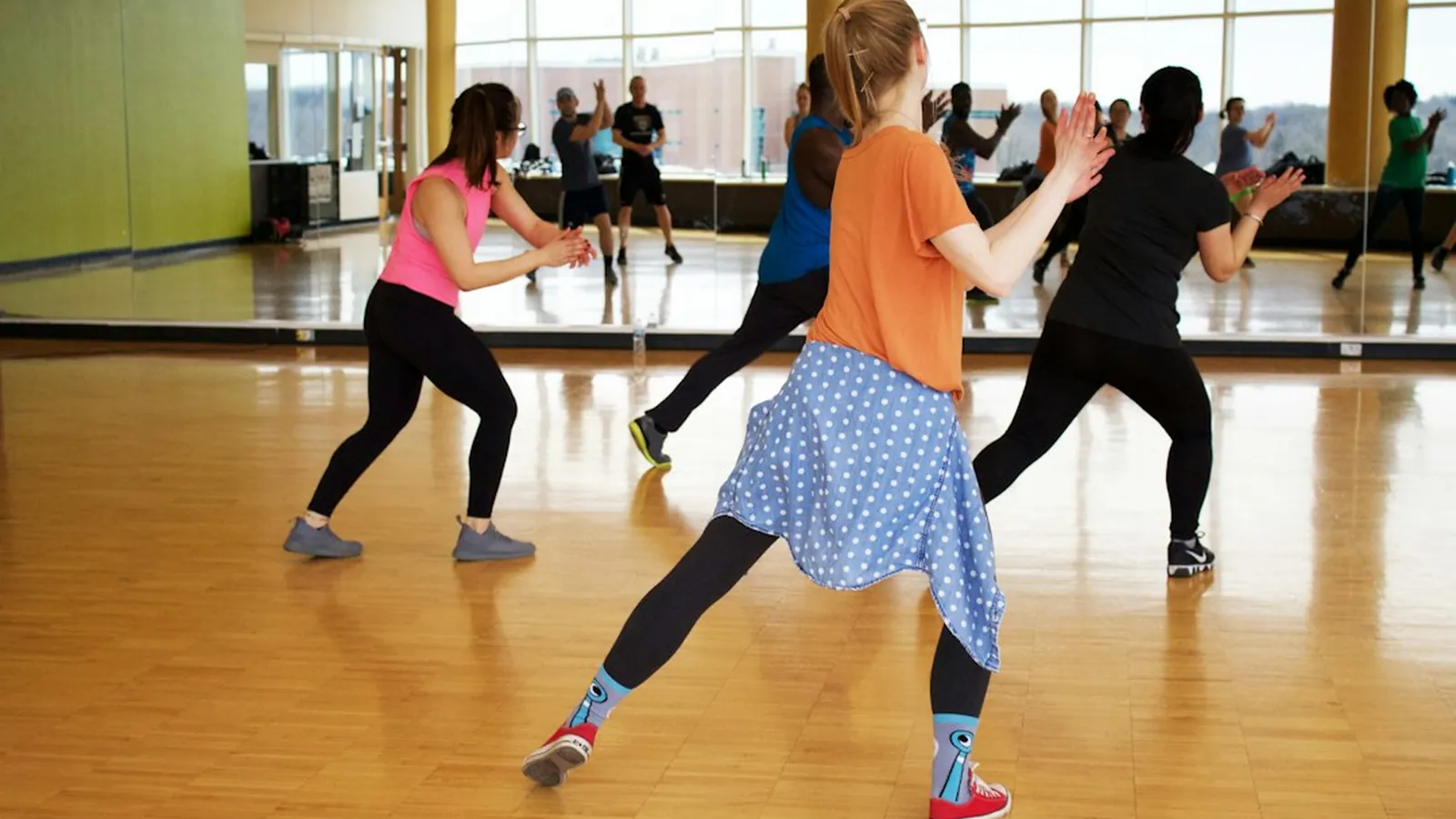
A new comeback drops, the chorus lands, and you wonder if you can keep up. Start with the tempo. A K-pop routine can sit well below or well above the speed you expect.
How fast is K-pop choreography?
There is no single K-pop BPM. Upbeat girl-group dance tracks often sit in the 120s, and some boy-group dance numbers run slower, in the 70s to 90s. Whatever the speed, you count it the same way: 5 6 7 8, then eights.
Soompi's feature on K-pop beats says that 115 to 130 BPM is standard house tempo and that most girl groups stay within the 120s when they want an upbeat sound, such as KARA's Step at 123 BPM. It also notes that boy groups are more likely to choose slower songs, even for dance numbers. Here are its own examples:
| Song | Group | BPM (Soompi, 2015) |
|---|---|---|
| Step | KARA | 123 |
| Mamma Mia | KARA | 128 |
| Growl | EXO | 90 |
| My House | 2PM | 88 |
| I Need U | BTS | 78 |
These are examples from one article, not a measured average. Use them to get a feel for the spread, not as a rule. A song at 78 BPM and a song at 128 BPM are both K-pop, and they ask different things of your body.
Why one tempo does not fit every song
K-pop is not one sound, which is part of why the table above runs from 78 to 128 BPM. Wikipedia describes songs as pop, rock, hip-hop, R&B and electronic music, alone or mixed, and says a dance for a song requires the writers to take the tempo into account. So the choreographer starts from the song's speed, and the speed shapes the moves.
A slower song isn't an easier one. At 78 BPM there is room between beats, so choreographers fill it with hits, isolations and quick changes of direction. Your count stays slow, but the movement inside each count gets dense.
A faster song works the other way. There is less time per beat, so the moves get smaller and the repeating hooks matter more. That is the "point dance" in K-pop: Wikipedia calls it a dance made of hooking, repetitive movements. A hook you can repeat on a quick beat is much easier to drill than a long phrase of new steps.
How a fast K-pop song is counted
K-pop is counted with the studio family's shared counts, the same ones used for hip hop. Count Studio's 8-count gives one number to each beat, in two groups of four (4+4), after a 5 6 7 8 lead-in. It covers 60 to 180 BPM, which holds every song in the table above.
When the choreography has hits between the beats, switch to the 8-count with &: 1 & 2 & 3 & 4 & 5 & 6 & 7 & 8 &. It also covers 60 to 180 BPM. Use it for hits and quick footwork. The finer counts, 1 e & a for sixteenths and the triplet count, run from 50 to 140 BPM, so they suit the slower songs best.
Most popular music is phrased in four bars of 8-counts, which makes a 32-count phrase. If a verse feels endless, count the phrases first and the steps second. When a fast song feels too quick to say every number, count it in half-time: say one number for every two beats, then speak the full count only on the hits. Check against the song that your eight still lines up with the 1.
For the full method, see how to count K-pop choreography in eights.
Pick a practice tempo
Do not learn a routine at the song's speed. Start slower than the original and put the clean version first.
- Learn the eights without the hits, at a speed where you never rush the 1.
- Add the hits and the & counts.
- Raise the tempo in small steps. Move up only when the last speed felt easy.
- Finish at the song's own tempo, with the music.
A common mistake is to hear a slow song and relax the count. At 78 BPM it is easy to arrive late on the hits, because each beat feels long and the body drifts behind it. Keep the 1 strict, hold the lead-in 5 6 7 8 in your head before every run-through, and let the hits land on the number, not after it. At the fast end the opposite happens: dancers rush the 1 and shrink the moves. If that sounds like you, drop the tempo until the full-size move fits inside the beat.
Don't know the song's tempo? Tap along to the beat and read it off. If you are still looking for the downbeat, how to find the 1 in music shows how.
Practise it with Count Studio
Count Studio sets the tempo from 20 to 320 BPM, so you can drop a routine far below the song and climb back. Tap tempo reads your pace if you don't know the BPM. Song import finds the tempo, the beats and the likely 1 on your device, and tap-along lets you fix any of them. Count Studio is coming November 27 to iPhone, iPad and Apple Watch.
Pick the 8-count, start at a speed where the hits stay clean, and raise it a little each round. For tempos across other styles, the dance tempo chart puts them side by side, and the K-pop section collects the rest of the counting guides.
Bottom line
K-pop dance tracks do not share one tempo: Soompi's examples run from 78 to 128 BPM. Count them all in eights with a 5 6 7 8 lead-in, add the & for hits, and learn slower than the song before you match it.
Questions
What BPM is most K-pop dance music?
There is no single figure. Soompi's 2015 examples put upbeat girl-group dance tracks in the 120s (KARA's Step is 123 BPM, Mamma Mia 128) and some boy-group dance numbers lower, between 78 and 90 BPM.
Is K-pop choreography hard to count at a high BPM?
The beats are rarely the problem; the subdivisions are. Count one number per beat and add the & only for hits and quick footwork. The 8-count with & in the Count Studio library works from 60 to 180 BPM.
What tempo should I practise a K-pop routine at?
Start slower than the song. Learn the eights and the hits cleanly, then raise the tempo in small steps until you reach the original.
Can Count Studio find the BPM of a song?
Song import finds the tempo, the beats and the likely 1 on your device, and you can fix any of them with tap-along. Tap tempo and a tempo range of 20 to 320 BPM are there too.